Improve your team's development workflow by replacing complex processes with clear, defined gates for every stage of work. This guide outlines a structured nine-phase approach to ensure your projects move predictably from initial idea to fi...
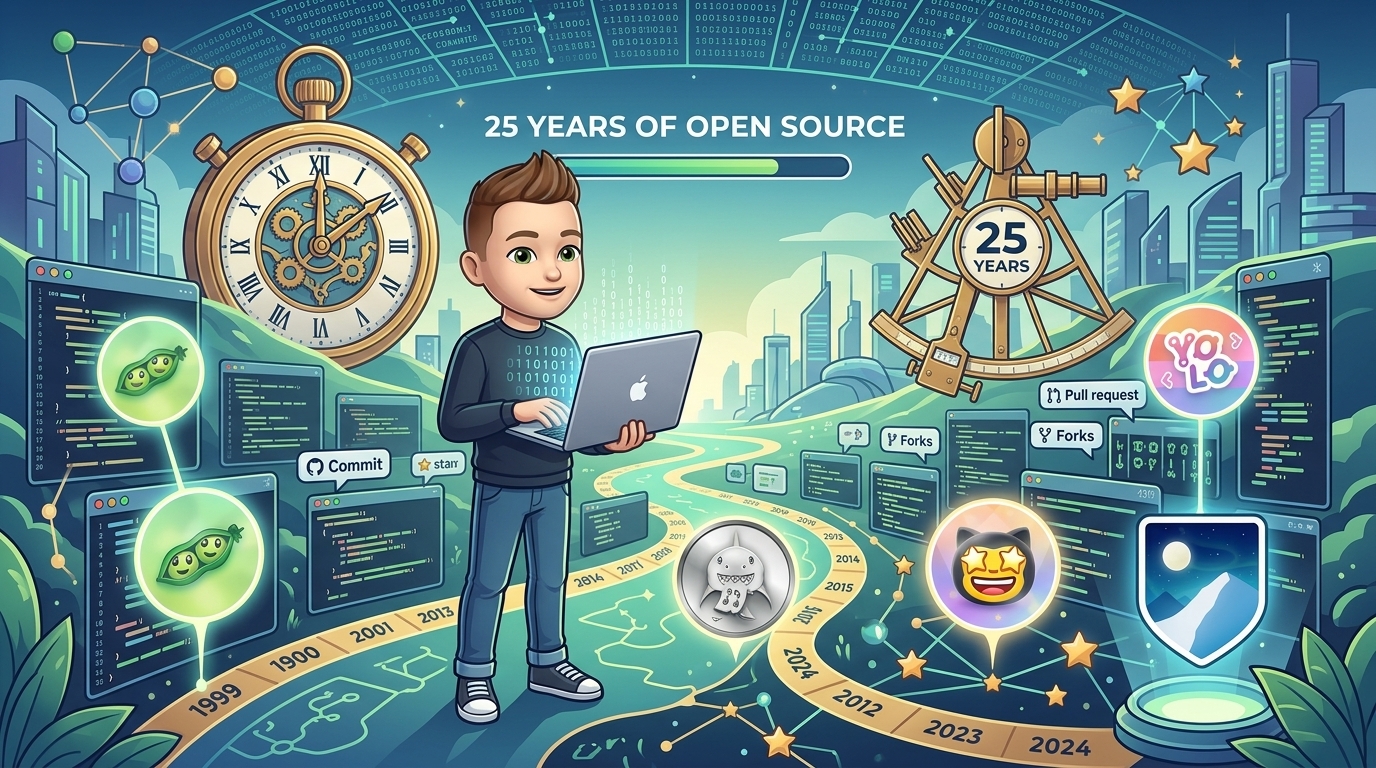
Reflecting on two decades of open source experience, this post highlights my journey building and contributing to various frameworks and tools while sharing key lessons on long-term software maintenance.
Micromanagement isn't leadership. If the work gets done, you don't need to watch people work. Good managers lead, remove blockers, clarify priorities, and give competent teams the room to do their jobs.
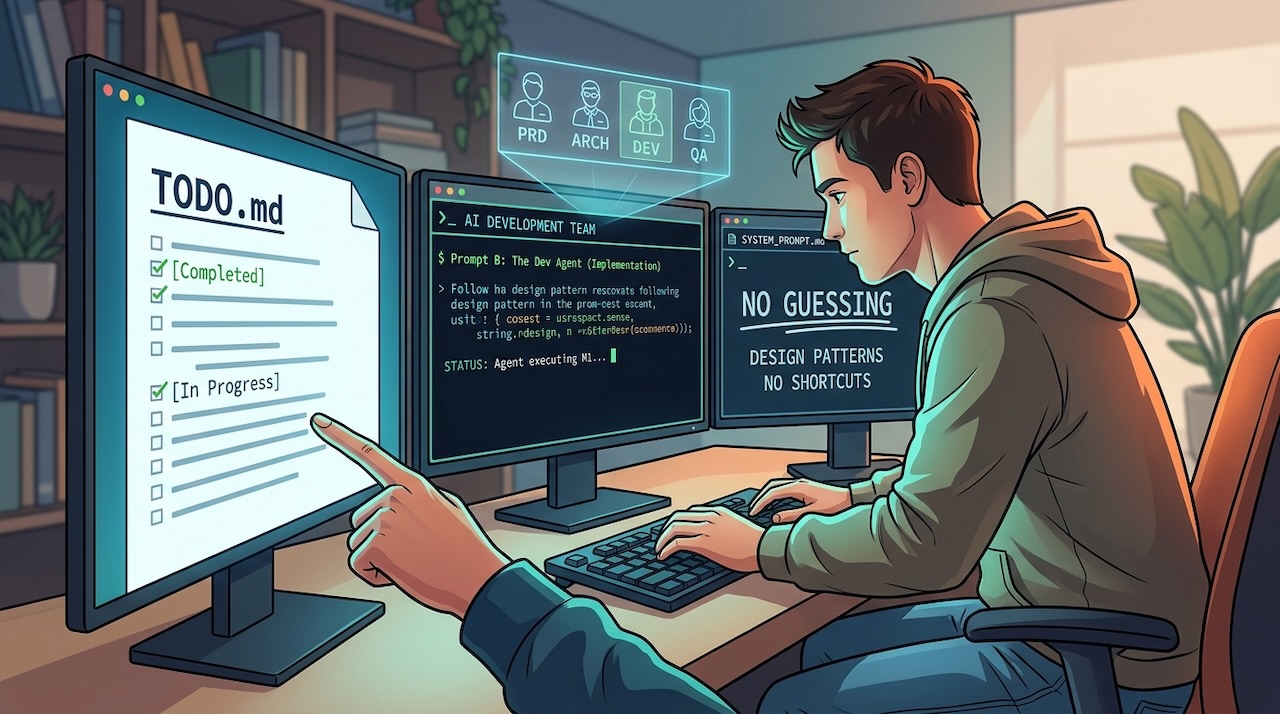
Discover how to move beyond basic autocomplete and orchestrate AI tools like OpenCode, Claude Code, and Codex into a structured, high-output engineering team.
In 2025, building a high-performing tech org isn’t about more tools—it’s about smart execution. Here’s my vision for running an AI-native, async-first, agile engineering team that moves fast, plans precisely, and delivers real business valu...
Product Owners are the ultimate jugglers, balancing the needs of non-technical stakeholders, technical teams, and tight project deadlines. By translating technical details into actionable business insights and avoiding pitfalls like vanity...
Discover the essentials of Agile, Lean, and Scrum methodologies for project management. Learn where to start, how to implement frameworks like Scrum, and best practices for success. Perfect for non-Agile project managers seeking clarity and...
Efficiently managing contractors in software development is a balancing act. It's about setting clear expectations, ensuring budget adherence, and maintaining control over project scopes. This responsibility rests on the company's shoulders...
Discover strategies for developers to tackle challenging tasks and grow professionally. Learn how to engage with Agile Coaches, Product Owners, and Scrum Masters for support and resources.